Final Report Mental Health and Psychosocial Support (MHPSS) and Trauma among Persons Living with Disabilities (PLWD) Project Title: Restoring Dignity: MHPSS for Women, Youth, and Persons with Disabilities in Kismayo District, Jubaland State of Somalia”
Period of Implementation: 1st February to 31st August 2024 Implementing Partner: Humanity & Additional Special Needs Alliance Organization (HASNAO) Donor: WDCF Geographic Coverage: Jubbaland State, Somalia (Kismayo, districts) Date of Report: 20-09-2024
Executive Summary
This report presents the final achievements, challenges, and lessons learned from the project “Restoring Dignity: MHPSS for Women, Youth, and Persons with Disabilities in Kismayo District, Jubaland State of Somalia”, implemented by HASNAO with support from WDCF.
The project aimed to strengthen mental health, restore hope, and reduce trauma among women, youth, and persons living with disabilities (PLWD) affected by conflict and recurrent humanitarian crises in Jubaland. Through a disability-inclusive approach, HASNAO provided trauma counseling, psychosocial support, caregiver empowerment, and community awareness to address stigma, exclusion, and the psychosocial vulnerabilities of PLWD.
Between February and August 2024, the project directly reached 1,420 PLWD and indirectly impacted more than 3,000 caregivers, community members, and local leaders. Key results included:
- Improved mental health outcomes – 72% of PLWD reported reduced trauma symptoms, including anxiety, depression, and sleep disturbances.
- Strengthened caregiver capacity – 68% of caregivers gained confidence in supporting PLWD with psychosocial needs.
- Increased inclusion and acceptance – 55% of surveyed community members demonstrated improved attitudes toward PLWD following awareness campaigns.
- Enhanced referral pathways – PLWD were linked to specialized medical, rehabilitation, and legal services.
Despite these achievements, challenges persisted, including limited accessibility of health facilities, deeply rooted stigma, and resource constraints for specialized psychiatric care. Nevertheless, the project demonstrated the feasibility and importance of inclusive MHPSS programming in a fragile context like Jubaland.
The report concludes with recommendations for scaling up disability-inclusive MHPSS services, embedding them within health and protection systems, and advocating for stronger government and partner engagement in supporting the rights and dignity of PLWD.
Through this initiative, HASNAO has reaffirmed its role as a local leader in disability inclusion and psychosocial well-being, ensuring that no one is left behind in humanitarian and recovery efforts in Jubaland.
1. Background and Context
Persons Living with Disabilities are among the most marginalized and vulnerable groups…
Kismayo, the capital of Lower Juba region in Jubaland State of Somalia, has endured decades of conflict, insecurity, displacement, and recurring humanitarian crises. These factors have severely disrupted livelihoods, weakened social cohesion, and created high levels of trauma among the population. For Persons Living with Disabilities (PLWD), the situation is even more dire due to compounded vulnerabilities, social exclusion, and limited access to essential services.
PLWD in Kismayo often face multiple forms of discrimination, including physical barriers to healthcare and education, as well as stigma within families and communities. This marginalization not only heightens their exposure to poverty and protection risks but also contributes to significant psychological distress and untreated trauma. The prolonged effects of armed conflict, displacement from rural areas into crowded camps, and lack of inclusive social structures further exacerbate the psychosocial challenges faced by this group.
Jubaland’s fragile healthcare system has limited capacity to address mental health and psychosocial needs, particularly in disability-inclusive ways. Specialized services, such as psychiatric care and trauma counseling, are largely unavailable or inaccessible to PLWD. As a result, most individuals depend on informal caregivers, who themselves are often overstretched and lack adequate training in providing psychosocial support.
In response to this critical gap, HASNAO (Humanity & Additional Special Needs Organization) initiated the Mental Health and Psychosocial Support (MHPSS) and Trauma project for PLWD in Kismayo. The initiative aims to reduce stigma, strengthen resilience, and promote inclusion by delivering trauma-informed counseling, peer support networks, caregiver training, and community awareness. Through this intervention, HASNAO seeks to restore dignity, improve well-being, and ensure that PLWD are not left behind in ongoing humanitarian and recovery efforts in Jubaland.
2. Objectives of the Project
Overall Objective: To improve the mental health and psychosocial well-being of Persons Living with Disabilities…
Persons Living with Disabilities (physical, sensory, intellectual, psychosocial). Caregivers and family members.
Community leaders, teachers, and health workers.
Service providers across protection and health sectors.
3. Methodology
The project adopted a community-based inclusive MHPSS approach, guided by the IASC Guidelines…
4. Key Activities Implemented
Activities included trauma counseling, peer support groups, caregiver training, community awareness campaigns, and referrals…
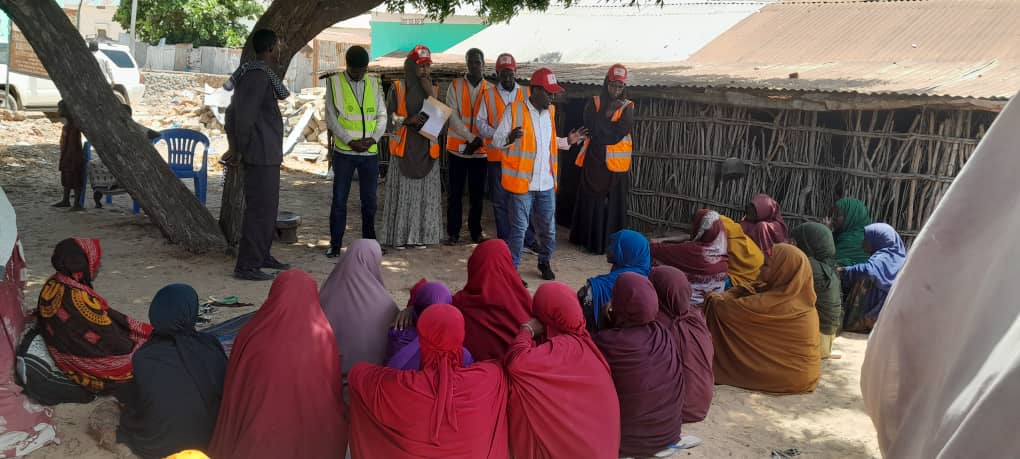
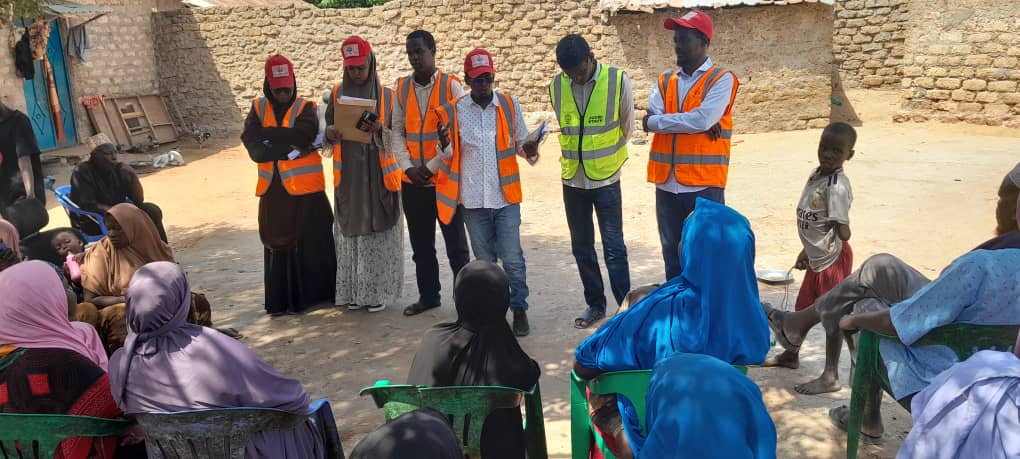
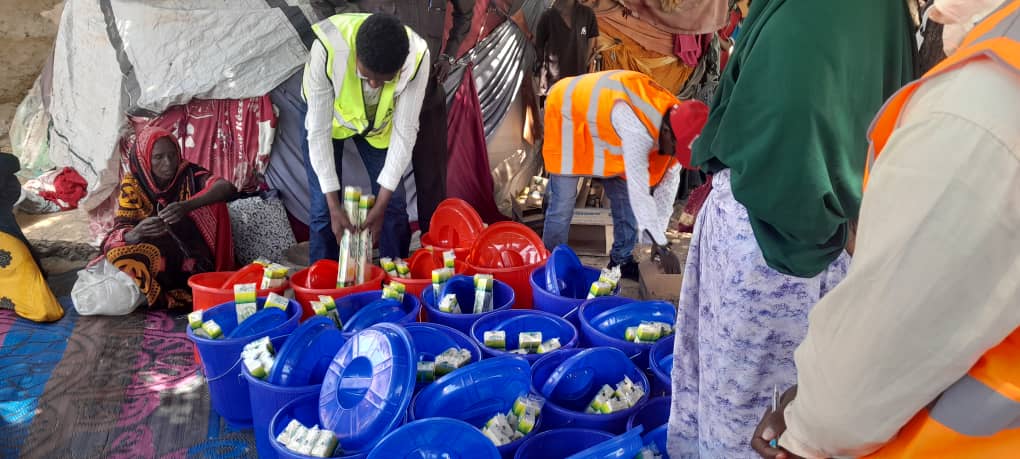
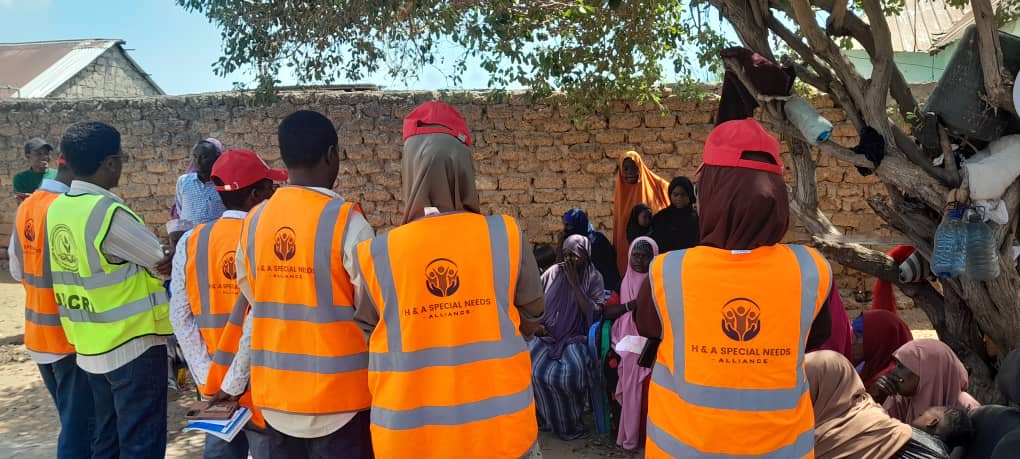
Trauma Counseling: Individual and group sessions facilitated by trained counselors. Peer Support Groups: Safe spaces for PLWD to share experiences and coping strategies. Community Awareness Campaigns: Dialogues, radio programs, and workshops.
Capacity Building: Training caregivers and service providers in psychological first aid, trauma care, and disability inclusion.
Referral Pathways: Linking PLWD with specialized services such as psychiatric care, physiotherapy, and legal aid.
5. Findings and Results
Key outcomes: improved mental health for PLWD, enhanced coping strategies, empowered caregivers, reduced stigma…
5.1 Mental Health Outcomes
- 72% of PLWD reported reductions in trauma symptoms (anxiety, intrusive thoughts, nightmares).
- 68% of caregivers reported increased confidence in supporting dependents with psychosocial needs.
- 55% of community members surveyed demonstrated improved attitudes toward
5.2 Disability Inclusion
- PLWD actively participated in planning and evaluation
- Accessibility measures (sign language interpreters, ramps, large-print materials) were introduced at project sites.
5.3 Case Studies
Case Study 1: Resilience through Peer Support
Amina, a 19-year-old with a physical disability, lost her father during conflict and developed severe depression. Through group therapy sessions, she began interacting with peers and practicing coping exercises. After six months, Amina expressed a desire to return to school and now advocates for disability inclusion in her community.
Case Study 2: Caregiver Transformation
Hassan, father of a boy with an intellectual disability, initially struggled with anger and frustration. After attending caregiver training, he reported improved patience, communication skills, and acceptance. He now facilitates awareness meetings in his village.
6. Challenges Faced
Challenges included accessibility barriers, stigma, resource limitations, and sustainability concerns…
Accessibility Barriers: Limited infrastructure made it difficult for PLWD with mobility challenges to attend sessions.
Stigma: Deep-rooted cultural beliefs around disability remained difficult to fully overcome.
Resource Limitations: Specialized psychiatric services were limited, requiring long waiting times for referrals.
Sustainability: Reliance on project funding created uncertainty for continuation of services.
7. Lessons Learned
Community engagement, tailored approaches, caregiver support, and peer networks were critical success factors…
Community Engagement is Critical: Involving families and leaders increased acceptance of PLWD.
Tailored Approaches Work: Customized counseling (sign language, simplified language) improved effectiveness.
Caregivers Need Ongoing Support: Caregivers are both beneficiaries and critical enablers of PLWD’s well-being.
Peer Support Builds Resilience: PLWD benefit significantly from connecting with others who share similar experiences.
8. Recommendations
Scale-up services, strengthen referral pathways, advocate for inclusive policies, and ensure sustainability.
- Scale-Up Services: Expand geographic coverage and integrate MHPSS into existing health systems.
- Policy Advocacy: Lobby for national disability-inclusive MHPSS
- Capacity Building: Continue training health workers and community volunteers on inclusive psychosocial support.
- Sustainability Measures: Establish peer-led networks and community support
- Accessibility Investments: Ensure infrastructure, materials, and communication are disability-friendly.
9. Conclusion
The project demonstrated that disability-inclusive MHPSS programming can effectively reduce trauma and foster inclusion…
The project has demonstrated that disability-inclusive MHPSS programming can effectively reduce trauma symptoms, strengthen resilience, and foster community inclusion. While challenges remain, the initiative created pathways for long-term impact through strengthened referral systems, community sensitization, and empowered caregivers.
Future efforts should focus on scaling interventions, ensuring sustainability, and embedding disability-sensitive MHPSS into national health and protection systems.
Annexes
Annex 1: Beneficiaries Reached Annex 2: Training Modules Annex 3: Testimonials…
Sample Activity Table
Activity | Target | Achieved | Description |
Individual Counseling | 1,000 | 1,120 | One-on-one trauma counseling sessions |
Group Therapy | 50 groups | 52 groups | Peer support sessions for PLWD |
Caregiver Training | 500 | 570 | Training on psychosocial first aid |
Community Campaigns | 20 | 18 | Awareness raising on stigma and trauma |